English
 Deutsch
 Français
 Русский
 Español
 Nederlands
 Português
 العربية
 Italiano
 Polski
Sleep Mats Explained: R-Value, Thickness and Packed Size
Date:2026.09.29
A sleeping bag only insulates from above. Everything below the sleeper is compressed and gives almost nothing, so the mat is doing half the job of keeping someone warm — and it is the part most often bought badly.
R-valuemeasures thermal resistance and is now tested to a common standard, so numbers are comparable between brands. R-1 to R-2 suits summer and indoor use; R-3 to R-4 is the three-season range; R-5 and above is for winter and cold ground. Under about R-2, a bag rated for the same temperature will still feel cold.
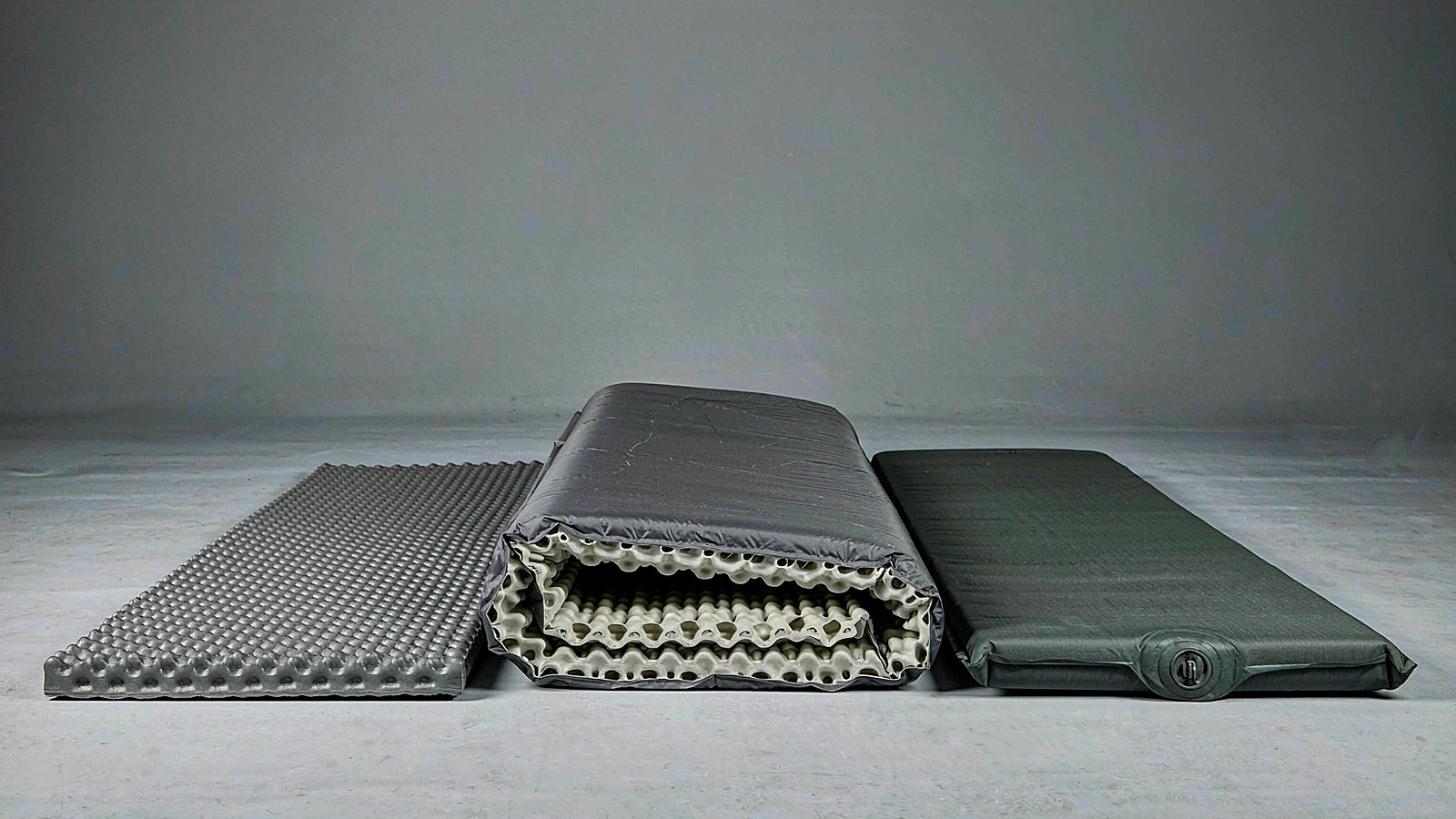
The three constructions have clear roles.Closed-cell foamis cheap, indestructible and cannot puncture — the right answer for rental, emergency and youth ranges.Self-inflating matscombine foam and air and sit in the middle on comfort and weight.Air padspack smallest and are the most comfortable per gram, but they rely entirely on the shell holding air.
Thickness drives comfort, not warmth. A 10 cm air pad is comfortable at 5 cm of loft; a 2 cm foam mat with a good R-value can be warmer than a thick air pad with a poor one. Print both numbers on the hang tag and the customer can actually choose.
We produce the full set — foam, self-inflating and TPU air pads — in matched colourways: linda@reliableoutdoors.com.

WhatsApp:8613606101264
Email:zlmshuidai@gmail.com
Address:679 Jinhu Road, Jintan District, Changzhou City, Jiangsu Province, Chiny, Yangtze Delta Hu Luogeng Science and Technology Port, Budynek A1